What Is Chatbot-to-Human Handoff?
Chatbot-to-human handoff transfers a live conversation from AI to a person without forcing the customer to start again. Learn the triggers, workflow, and safeguards.

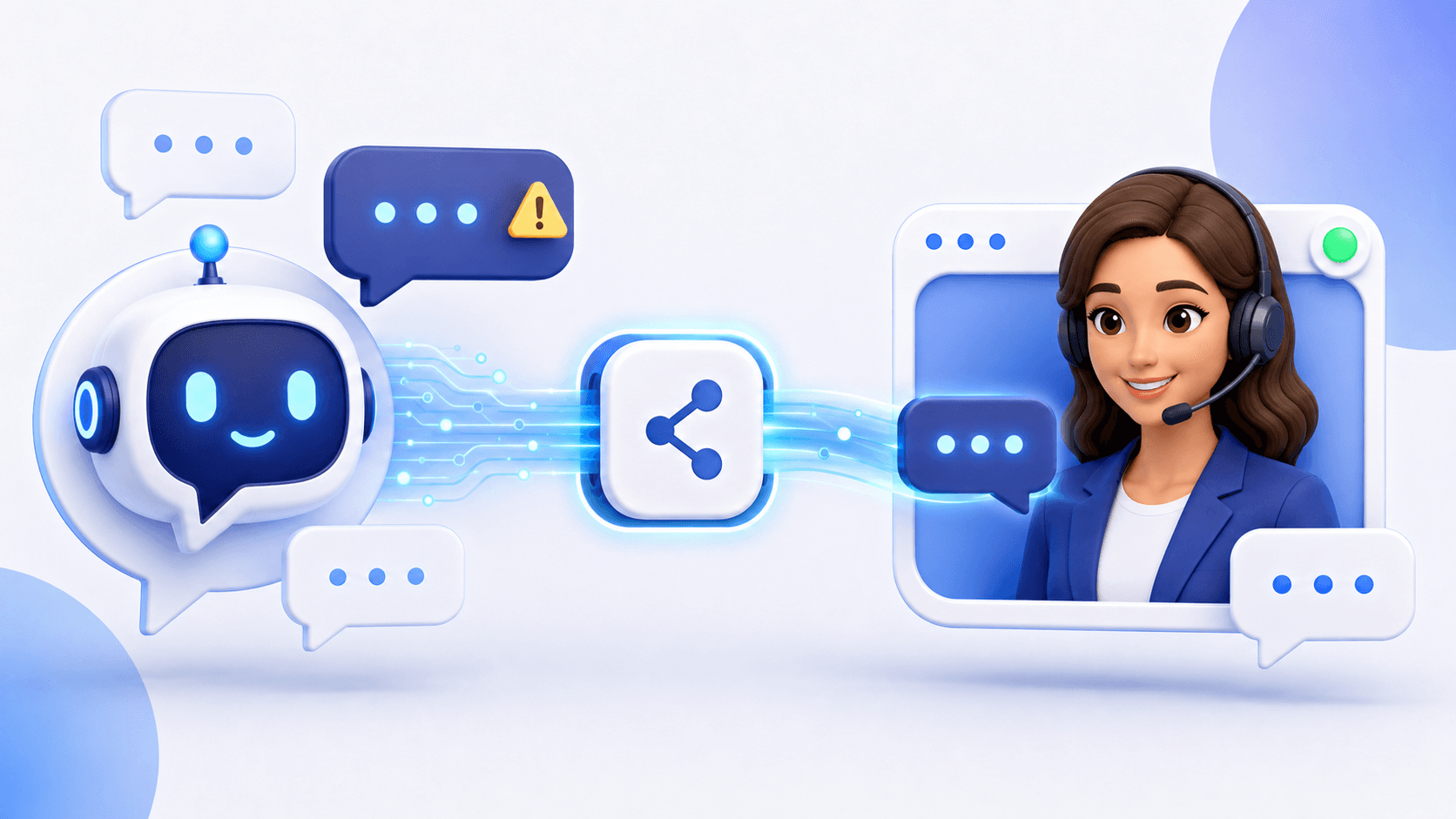
Automation works best when it knows its limits. A customer may ask a routine question, then reveal a billing dispute, an urgent technical problem, or clear buying intent. Chatbot-to-human handoff is the controlled transfer of that conversation from an AI assistant to a person who can apply judgment, empathy, or authority.
What chatbot-to-human handoff means
A proper handoff keeps the conversation intact. The agent receives the transcript, the visitor’s details, the page they were viewing, and any relevant files or images. The customer continues in the same thread rather than explaining the problem again.
Zorachat supports this workflow through the Live Agent inbox on web, iOS, and Android. The AI can handle the first response, the team can join when needed, and control can return to the AI after the human portion is complete.
Signals that should trigger a human
- Explicit request: the visitor asks for a person.
- Low confidence: the assistant cannot ground an answer in approved knowledge.
- Repeated failure: the visitor rephrases the same question without progress.
- Negative sentiment: frustration or urgency is increasing.
- Commercial intent: the visitor is ready to buy, negotiate, or discuss a complex requirement.
- Sensitive action: the request involves refunds, account access, security, or an exception to policy.
The exact rules should reflect your business. A low-risk product question can remain automated, while a refund exception may always require an authorized person. See the companion guide to chatbot escalation rules for a practical decision matrix.
A reliable handoff workflow
- Detect: identify a clear signal rather than escalating at random.
- Acknowledge: tell the visitor that a team member is being invited.
- Package context: attach the transcript, known contact details, intent, and relevant page or product.
- Route: notify the right person or team through the channel they monitor.
- Join: let the agent reply inside the existing conversation.
- Resolve and return: record the outcome and return routine follow-up to AI when appropriate.
Teams can use live monitoring to watch active conversations and take over before a high-value or difficult exchange deteriorates.
Best practices that protect the customer experience
- Never ask for information that is already visible in the transcript.
- State whether the human is joining now or will follow up later.
- Capture a name and contact method when nobody is available.
- Route by topic so billing, sales, and technical questions reach the right owner.
- Review resolved handoffs to improve the knowledge base and escalation rules.
If nobody is online, conversational lead capture can preserve the visitor’s details and question for follow-up without pretending that an agent is immediately available.
How to measure handoff quality
Track the percentage of handoffs accepted by an agent, time to human response, resolution after transfer, customer satisfaction, and the reasons conversations escalate. A rising handoff rate is not automatically good or bad: it may reveal stronger lead detection, or it may expose gaps in the assistant’s knowledge. Review the reasons, not only the total.
Frequently asked questions
Is handoff the same as live chat?
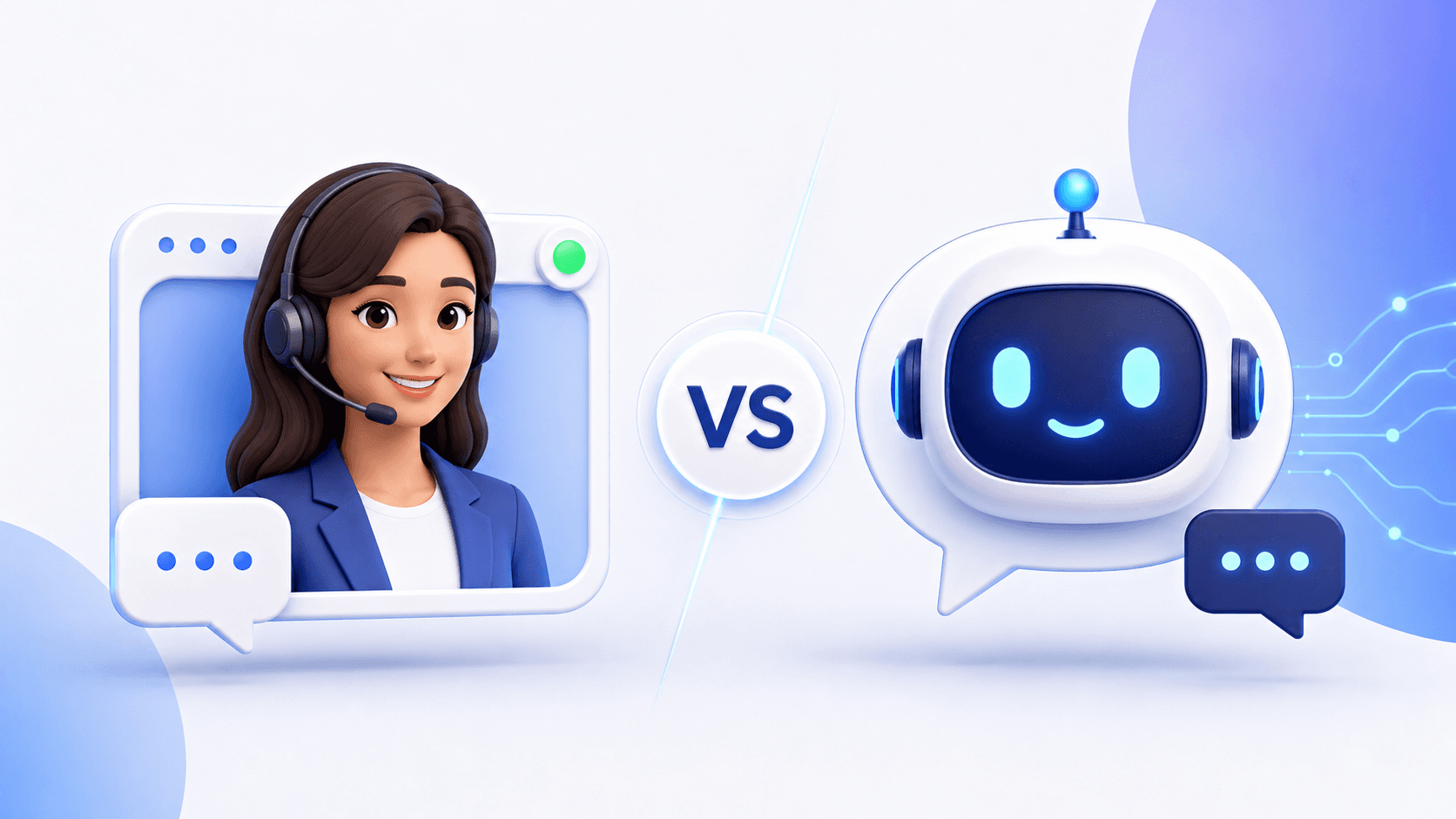
No. Live chat is usually human-first. Handoff is an AI-first workflow that brings in a person when the conversation requires one. The practical differences are covered in live chat vs chatbot.
Should every low-confidence answer escalate?
Not necessarily. The assistant can clarify the question or offer a safe fallback first. Escalate when uncertainty remains or the cost of a wrong answer is meaningful.
Can the AI resume after a person replies?
Yes. Zorachat allows the agent to return control so the assistant can handle routine closing messages or future questions in the same thread.
Build a useful escape route
A good chatbot does not trap people. It answers what it can, recognizes when the situation has changed, and brings in a person with the complete story. Deploy Zorachat for free to create an AI-and-human support workflow, or review Zorachat plans.