Multilingual Customer-Support Chatbot Guide
Design multilingual AI support with consistent knowledge, language-aware testing, clear escalation, and human workflows that preserve context.
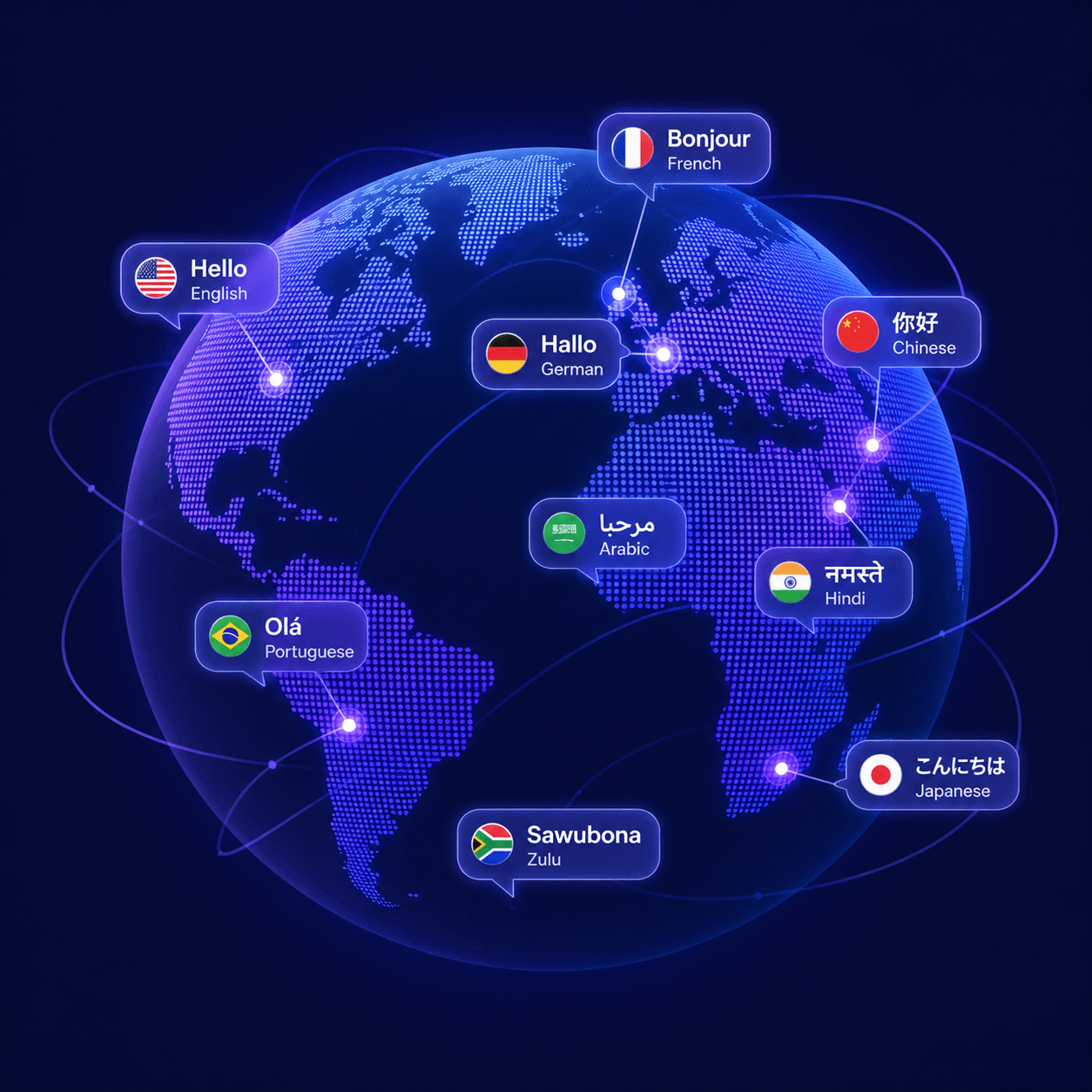
Multilingual support is not just translation. Customers expect the same policy, product knowledge, tone, and escalation quality regardless of the language they use. A multilingual chatbot needs one governed knowledge foundation and a language-aware quality process.
Start with a deliberate language scope
Prioritize languages based on real customers, markets, and support demand. Document which experiences are fully tested, which are best effort, and what happens when a human team cannot respond in the visitor’s language.
Keep knowledge consistent
Policies and product facts should come from approved sources. If localized pages exist, assign ownership and update them with the source content. If the assistant answers from one central knowledge base, test how terminology and exceptions appear across languages.
Use language detection carefully
Zorachat’s multilingual support can respond in the visitor’s language. Give users an easy way to correct the detected language, especially when messages mix languages, names, or technical terms.
Localize tone, not only words
Directness, formality, greetings, date formats, and product terminology vary. Define the brand voice and test whether the translated response remains clear and appropriate. Avoid idioms that become confusing when translated.
Design the multilingual handoff
When a person joins, preserve the original message, the AI response, detected language, and relevant customer context. Decide whether agents will answer directly, use translation assistance, or route by language. The mechanics of human handoff should remain consistent even when the language changes.
Build a language-specific test set
- Top questions written naturally by fluent speakers.
- Product names and technical terms that should not be mistranslated.
- Policies containing dates, currencies, quantities, and exceptions.
- Ambiguous and mixed-language messages.
- Escalation, offline, and privacy messages.
Measure by language
Review answer quality, escalation reasons, customer feedback, unresolved questions, and follow-up completion by language. An overall average can hide a weak experience in a smaller market.
Frequently asked questions
Do we need a separate chatbot for every language?
Not necessarily. One assistant can support multiple languages, but each important language still needs appropriate testing and operational ownership.
Can human agents respond in a different language?
That depends on your workflow and translation tools. Be transparent and test the experience rather than assuming automatic translation is sufficient for sensitive issues.
Make quality portable
Multilingual support succeeds when product truth and escalation discipline travel with the language. Deploy Zorachat or review the multilingual workflow.