AI Chatbot vs AI Agent: What Is the Difference?
Understand the practical difference between AI chatbots and AI agents, then choose based on business outcomes, authority, and risk rather than labels.
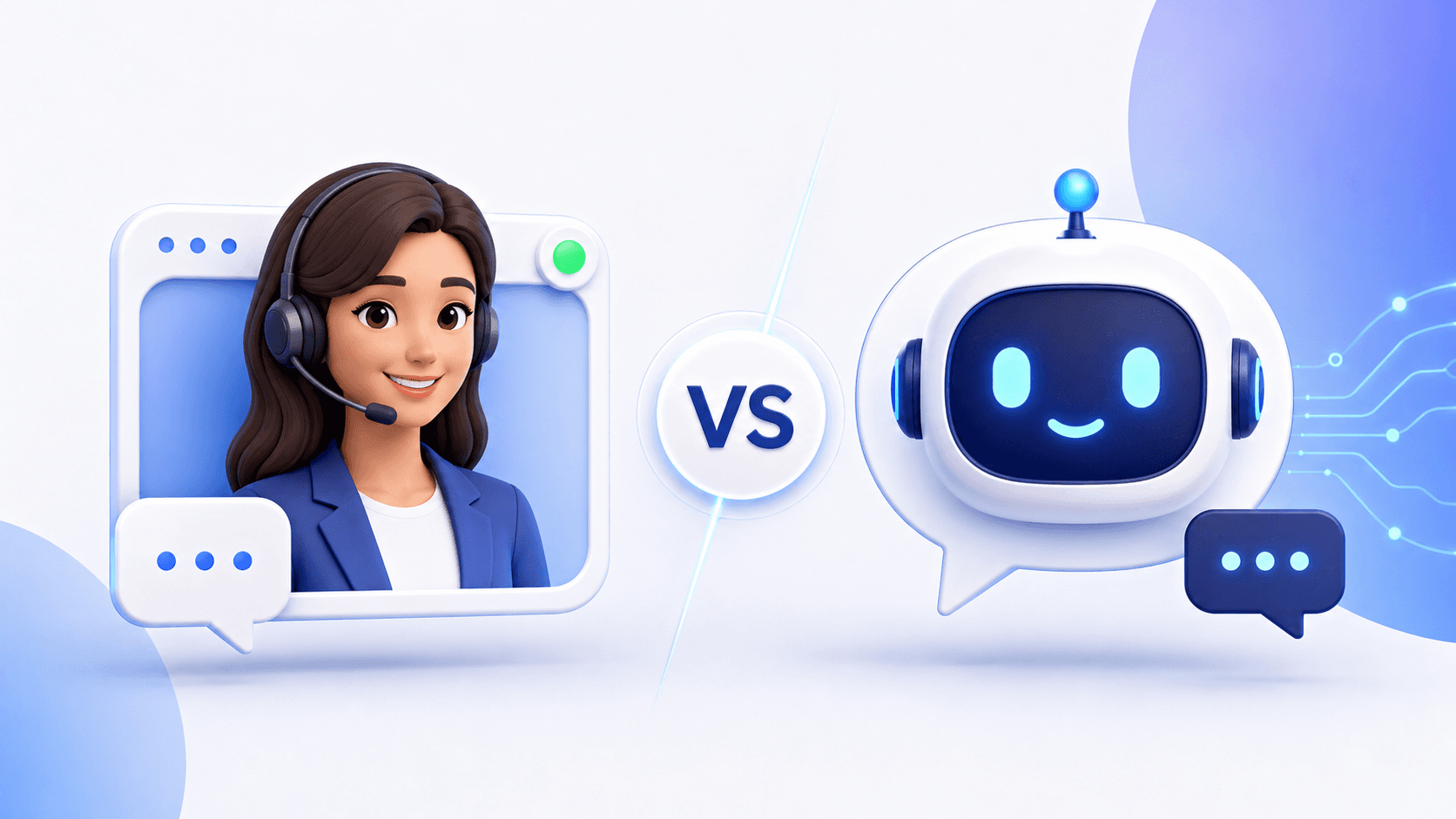
“Chatbot” and “AI agent” are often used as marketing labels, so the useful distinction is what the system can actually do. A chatbot primarily conducts a conversation. An AI agent may also plan steps, call approved tools, update systems, or complete a defined task.
What is an AI chatbot?
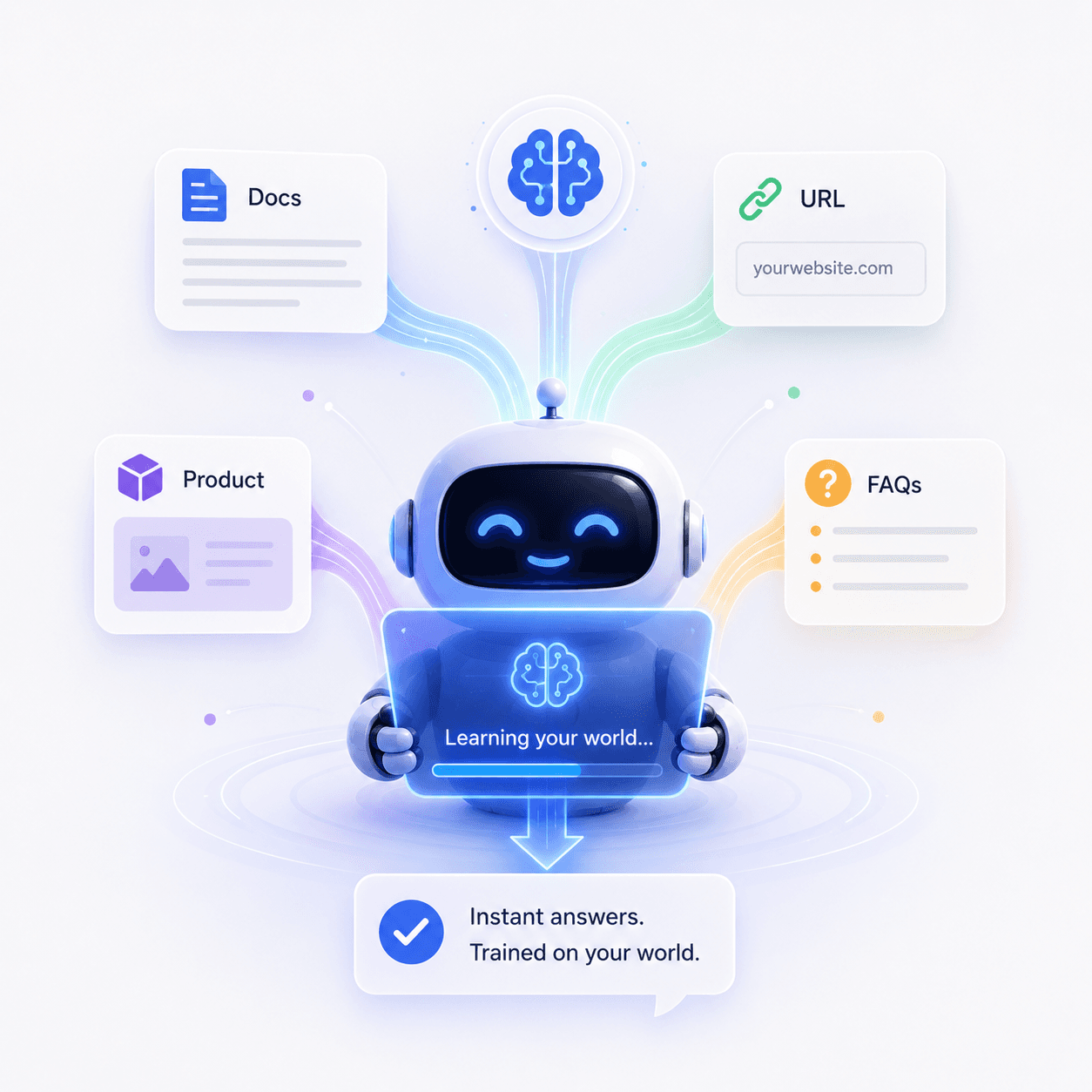
An AI chatbot interprets a message and produces a response, usually grounded in a knowledge base. In customer support it may answer questions, clarify intent, capture details, and route a conversation. Zorachat’s AI live-chat experience combines these responses with lead capture and human handoff.
What is an AI agent?
An AI agent can be authorized to pursue a goal through multiple steps. Depending on the product and configuration, that might include looking up an account, checking an order, scheduling a meeting, or updating a record. The word “agent” does not guarantee that any specific action is supported.
Practical differences
| Dimension | AI chatbot | AI agent |
|---|---|---|
| Primary output | Conversation and guidance | Conversation plus approved actions |
| Workflow | Often one response at a time | May coordinate several steps |
| Authority | Usually informational | May receive scoped system permissions |
| Risk | Incorrect or unhelpful answers | Incorrect answers plus unintended actions |
| Governance | Knowledge and response boundaries | Knowledge, tools, permissions, confirmation, and audit |
Choose based on the job
If visitors mainly need answers, routing, lead capture, and human takeover, an AI chatbot may be sufficient. If the system must complete transactions across other tools, evaluate agent capabilities, permissions, failure recovery, and audit trails.
Add authority gradually
- Start with grounded answers from approved sources.
- Add low-risk read-only tools.
- Require confirmation before meaningful changes.
- Limit permissions to the smallest necessary scope.
- Escalate exceptions through human handoff.
- Review logs and outcomes before expanding autonomy.
Questions to ask a vendor
- Which actions are supported today?
- What data and permissions does each action require?
- Can a person approve or reverse an action?
- How are unsupported requests handled?
- Can the full conversation and action history reach a human?
Frequently asked questions
Is an AI agent always better than a chatbot?
No. Extra autonomy adds complexity and risk. The better option is the smallest system that reliably achieves the required outcome.
Can a chatbot behave like an agent?
Some products combine conversation, tools, and workflows. Inspect the documented capabilities instead of deciding from the name.
Buy capabilities, not terminology
Define the answers, actions, approvals, and human fallback your business needs. Then evaluate the product against that workflow. Explore Zorachat features or deploy an assistant.